- Shafin Gida /
- Lafiya & Iyali /
- Medical Supplies & Equipment /
- Occupational & Physical Therapy Aids /
- Muscle Stimulators & Accessories /
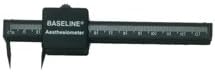
- Cando Baseline Two-Point Discriminator (Aesth...
0 ratings


Lambar abu:
88061339
Cando Baseline Two-Point Discriminator (Aesthesiometer)
Lambar abu:
88061339
XAF 34645
Price Details
Excluding Shipping & Custom charges ( Shipping and custom charges will be calculated on checkout )
*All items will import from Ƙasar Amurika US
0 ratings
Rubuta bita
A Stock
 An shigo da shi daga kantin USA
Yi Oda yanzu, a samu nan da Monday, Oktoba 12
Secured transaction
Ubuy works hard to protect your security and privacy. Our advanced payment security system ensures confidentiality by encrypting your information during transmission using AES (Advanced Encryption Standards) and SSL (Secure Socket Layer) protocols. Your payment details are 100% secure as we do not share your payment details with third party sellers.
Our Top Logistics Partners


Evaluates cutaneous sensitivity and touch threshold with precision.

Fast
Shipping

Free
Return*

Secure Packaging

100% Original Products

PCI DSS Compliance

ISO 27001 Certified



Note: Step Down Voltage Transformer required for using electronics products of Ƙasar Amurika US store (110-120). Recommended power converters Saya yanzu.


What Stands Out
Precision Testing
The Cando Baseline Aesthesiometer enables accurate measurement of sensitivity, allowing healthcare professionals to deliver precise assessments of sensory response to patient needs.
User-Friendly Design
Designed for ease of use, this aesthesiometer features clear markings and a straightforward mechanism, ensuring that both medical practitioners and patients can navigate the testing process comfortably.
Durable Construction
Built with high-quality materials, the Cando Aesthesiometer guarantees long-lasting performance, making it a reliable tool for continuous clinical use while maintaining accuracy over time.
Bayanin samfur
| Item Weight | 0.01 ounces (0.28 grams) |
| Date First Available | May 27, 2017 |
| Manufacturer | Fabrication Enterprises |
Who Should Buy?

-
Physical Therapists
Ideal for therapists assessing sensory responses and rehabilitation progress in patients recovering from nerve injuries.
-
Occupational Therapists
Useful for therapists evaluating sensory feedback in daily living skills and fine motor tasks during patient treatments.
-
Research Purposes
Suitable for researchers examining sensory thresholds in clinical studies or sensory perception investigations.

-
Casual Home Use
Not suitable for casual users as it requires professional training and understanding for effective and accurate use.
KWATANCEN ABUN
Cando Baseline Two-Point Discriminator (Aesthesiometer)
Kuna da wata tambaya? Yi taɗi da mu
Tambayoyi & Amsoshi Abokin Ciniki
-
Tambaya:
What is a Two-Point Discriminator (Aesthesiometer)?
Amsa: A Two-Point Discriminator, also known as an aesthesiometer, is a medical tool used to assess tactile sensory perception. It consists of two points that can be adjusted to determine the smallest distance at which a person can distinguish between two separate touch stimuli. This device is crucial in neurological assessments and helps in diagnosing various sensory disorders. For example, practitioners often use it in physical therapy to evaluate patients' sensory recovery following injuries or surgeries. -
Tambaya:
How does the Cando Baseline Two-Point Discriminator work?
Amsa: The Cando Baseline Two-Point Discriminator operates by allowing the practitioner to adjust two prongs or points at variable distances. During the assessment, each point is applied gently on the skin, and the patient is asked to identify whether they feel one or two distinct touches. This method enables detailed sensory mapping, helping professionals understand the patient's sensory threshold. It's commonly utilized in occupational therapy to track progress in sensory re-education programs. -
Tambaya:
What are some practical applications of the Cando Baseline Aesthesiometer?
Amsa: The Cando Baseline Aesthesiometer is predominantly used in medical settings for sensory assessments. It has applications in neurology, rehabilitation, and physical therapy. For instance, therapists utilize it to evaluate sensory deficits after stroke or trauma and measure improvement over time in patients undergoing therapy. Additionally, it's beneficial for diabetic patients to monitor potential neuropathy, enhancing patient care by providing insights into their sensory function. -
Tambaya:
Is the Cando Baseline Two-Point Discriminator suitable for personal use?
Amsa: While the Cando Baseline Two-Point Discriminator is primarily designed for professional use by healthcare providers, individuals interested in monitoring their sensory perceptions can benefit from understanding how it works. However, it’s advisable to use this tool under professional supervision, ensuring proper technique and interpretation of results. This can enhance awareness of sensory health and support proactive management of conditions that affect sensation. -
Tambaya:
What is the material used in the Cando Baseline Two-Point Discriminator?
Amsa: The Cando Baseline Two-Point Discriminator is typically made from durable, high-quality materials like stainless steel for the prongs and a sturdy handle for ease of use. This construction ensures that the device remains stable during assessments and withstands regular handling in clinical environments. The choice of materials also aids in maintaining hygiene standards, facilitating effective cleaning between patients, and enhancing the longevity of the instrument. -
Tambaya:
Can the Cando Baseline Aesthesiometer be used for children?
Amsa: Yes, the Cando Baseline Aesthesiometer can be used for children, but it's essential for healthcare providers to tailor the assessment techniques according to the child's age and understanding. Children may require a more playful approach to engage with the device effectively. This flexibility is crucial in pediatric settings, where understanding tactile sensation is vital for developmental assessments and to identify sensory integration issues in younger patients. -
Tambaya:
What is the accuracy of the Two-Point Discriminator assessments?
Amsa: The accuracy of assessments using the Two-Point Discriminator is highly regarded, as it allows for precise measurement of tactile discrimination abilities. Factors such as the practitioner’s experience and the individual's focus during the test can influence outcomes. These assessments are often standardized, enabling comparison across evaluations. They provide valuable insight into sensory perception, contributing to rigorous diagnostic processes in clinical settings. -
Tambaya:
What should I consider when selecting an aesthesiometer?
Amsa: When selecting an aesthesiometer such as the Cando Baseline model, consider factors like precision, material durability, and ease of use. Look for a device with adjustable prong widths, which allows for diverse testing needs. Additionally, evaluate the ergonomics of the handle for comfort during use, especially when performing numerous assessments. These considerations ensure accurate sensory evaluation and enhance the overall user experience in clinical situations. -
Tambaya:
Where can I buy Cando Baseline Two-Point Discriminator (Aesthesiometer) in Chad?
Amsa: You can purchase the Cando Baseline Two-Point Discriminator (Aesthesiometer) through Ubuy. They offer a convenient online platform where you can find this product and have it delivered directly to your location. Ubuy often features a variety of medical instruments, ensuring you have access to reliable tools for your sensory evaluation needs. -
Tambaya:
What is the importance of tactile sensory assessment?
Amsa: Tactile sensory assessment is crucial for diagnosing and understanding sensory disorders and injuries. It helps healthcare providers determine how well a patient can detect and differentiate touch stimuli, which is essential for effective treatment planning. Accurate assessments can reveal underlying neurological issues or the impact of conditions such as neuropathy. Regular assessments can also track the progress of recovery in patients, making them essential in rehabilitation therapies.
Nutritionist's Take
The Cando Baseline Two-Point Discriminator (Aesthesiometer) is primarily a clinical tool used to assess tactile discrimination and sensory perception, rather than a nutritional product. Nutritionists generally do not evaluate it for nutritional benefits since it does not contain ingredients or components that contribute to dietary health. Potential drawbacks include the fact that it serves a limited purpose and might not be suitable for all health professionals or contexts. However, it can play a role in overall health assessments, helping healthcare providers identify sensory issues that could impact a patient’s ability to engage in healthful eating practices. While this device is not directly related to nutrition, understanding sensory perception is vital in psychological aspects of eating, particularly for individuals with eating disorders or specific dietary restrictions. Ultimately, its health claims are not nutrition-centric, making it not a 'nutritional choice' but a useful diagnostic tool.
Fabrication Enterprises Muscle Stimulators & Accessories Editorial Review
Cando Baseline Two-Point Discriminator (Aesthesiometer) is a precision instrument designed to assess sensory perception. Weighing just 0.01 ounces, it offers excellent portability for practitioners and clinicians. This small yet effective device provides quick and reliable results in sensory testing. Users have noted its ease of use, making it suitable for various clinical settings. The lightweight nature allows for straightforward handling, enhancing the patient experience during assessments.
Customer Reviews & Ratings
1 Ƙimar da abokan ciniki suka bayar
-
5 Tauraruwa
100%
-
4 Tauraruwa
0%
-
3 Tauraruwa
0%
-
2 Tauraruwa
0%
-
1 Tauraruwa
0%
Yi bitar akan wannan Samfurin
Faɗan wa sauran Abokan ciniki ra'ayin ka
Ribobi
- Lightweight design for easy handling
- Quick results in sensory testing
- Suitable for clinical settings
- User-friendly for practitioners
Fursunoni
- Limited information on long-term durability
Platform Trust & Buyer Confidence

JK
Jasmin
Verified buyer
“Great products and very good service: very easy and very fast international delivery.”
9 September 2026 · via Trustpilot
AG
Anke
Verified buyer
“Wonderful online shopping experience, smooth transaction from the start. Payment method works conveniently and delivery is unexpectedly fast and reliable. You go the extra mile for service. What makes this even more amazing, you deliver to Namibia. I will remain a happy Ubuy customer and will increase my purchases for sure! Thank you!”
10 September 2026 · via Trustpilot
H
Hazel
Verified buyer
“Very easy to find the products what you need, and so fast delivery, that’s why I highly recommended to others costumers to used ubuy.”
10 September 2026 · via Trustpilot
O
Opaleye
Verified buyer
“I received exactly what I ordered I was skeptical about your site because that was my first time to order. But the order came timely and neatly packaged. I was not disappointed. Thank you.”
11 September 2026 · via Trustpilot
AC
Adele
Verified buyer
“Easy to find and order what you want on the website. Delivery is quick to the UK”
8 September 2026 · via Trustpilot
Biyan Kuɗi Amintaccen
Global Delivery
Easy Returns
Genuine Products
Product Price History
Sanarwa mai amfani
- Iyakoki: Don Abubuwan da aka yi sufurin su daga ƙasashen waje, a lura da cewa garanti ɗin mai ƙira ba lallai ya yi aiki ba; wajan neman taimakon mai ƙira ba lallai ya samu ba; kuma Littafin Sanin yanda abu yake aiki, hanyoyin tsaro da umarni ba lallai ya kasance a yaren ƙasar mai siya ba; Samfurin kaya (da sauran kayan haɗi) ba lallai ne an ƙera su a bisa tsarin ƙasar da za a kaya kayan ba, da ƙayyadaddun bayanai, ko dokar yin alama ko laƙabi; kuma ba lallai bane samfuran kayan su dace da ma'aunin wutar lantarki na voltage ɗin kasar da sauran dokokin ƙasa na wutar lantarki (wanda za'a buƙaci amfani da na'urar adafta ko na'urar canza launi idan ya dace). Mai karɓar kaya shi/ita ke da alhakin tabbatar da cewa samfurin da aka siya za'a iya shigo da shi ƙasar da za'a kai a bisa dokar ƙasar. A yayin yin oda daga Ubuy ko masu alaƙa da su, mai karɓar oda ne mai shigo da kaya, kuma dole ya/ta tabbarar da cewa ya/ta bi duka dokokin ƙasar da za'a kai kayan.
- Ba dukkan abubuwan da aka saka a kan Ubuy bane na sayar wa, don Ubuy wajen bincike ne na duk duniya. Duk wani Samfurin abu yana da dokokin shige da fice na ƙasashe da kuma dokokin siye da sayar wa.
XAF 34645
Yi Oda yanzu, a samu nan da Monday, Oktoba 12
This item is not restrict in my country.(Please click on above link if this item is not restrict in your country, So our team will review and allow.)
QTY:
Secured transaction
PCI DSS compliant and ISO 27001:2022 certified, with encrypted payments and full buyer protection on every order.
Our Top Logistics Partners
Fastest cross-border delivery
Fasaloli & Fa'idoji
- Measures 14cm discrimination for accurate sensitivity evaluation.
- Available in durable plastic or stainless steel material options.
- Ideal for healthcare professionals and sensitivity testing.
- Sold separately for convenience and tailored purchases.
- Designed by trusted manufacturer Fabrication Enterprises.
- Experience reliable performance with Baseline brand quality.
Ubuy Assurance
Experience worry-free shopping with 100% original products, PCI DSS-compliant payment security, ISO 27001-certified data protection, the fastest cross-border delivery, free returns *, and secure packaging on every order.