Studio Microphone Types and Recording Applications
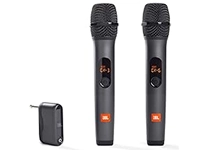
Studio microphones capture voices and instruments for music production, podcasting, broadcasting, voice-over work, and home recording. Large-diaphragm condenser microphones are popular for detailed vocals and acoustic sources, while small-diaphragm condensers can suit instruments that benefit from precise transient detail. Dynamic microphones are often chosen for loud sources, energetic vocals, and recording spaces where room sound needs to be less prominent. Ribbon microphones offer a different tonal character and are used for vocals, guitar cabinets, brass, and other sources, subject to their handling and input requirements. USB microphones connect directly to a computer for a streamlined setup; XLR models connect through an audio interface or mixer. Compare microphone type with the sound source, recording environment, workflow, and desired level of control.
- Condenser, dynamic, ribbon, USB, and XLR options
- For vocals, instruments, podcasts, and voice-over
- Choose by source, room, and recording workflow
Polar Patterns, Sensitivity, and Sound Character
A microphone's polar pattern describes the directions from which it captures sound. Cardioid models focus primarily on sound in front of the capsule, which can help reduce pickup from behind; omnidirectional microphones capture sound from all directions and can be useful for room ambience or group recording. Figure-eight patterns capture from the front and rear while rejecting the sides, and selectable-pattern models let you adapt to different recording situations. Sensitivity indicates how strongly a microphone converts sound pressure into an electrical signal, while self-noise matters when recording quiet sources. Frequency response and transient behavior also influence how a microphone reproduces voices and instruments. Read these specifications alongside listening needs rather than treating any one figure as a measure of overall quality. Brands such as Shure, RØDE, and Audio-Technica offer models across varied recording setups.
- Cardioid, omnidirectional, and figure-eight patterns
- Consider sensitivity, self-noise, and frequency response
- Compare features in the context of your source
Connections, Power, and Recording Compatibility
Before choosing a studio microphone, check how it connects to your recording equipment. XLR microphones generally require a compatible audio interface, mixer, or preamp, and condenser models commonly need phantom power, often supplied by the connected device. Confirm that your interface provides the necessary input, gain, and power options for the microphone you plan to use. USB microphones can connect directly to compatible computers and may include a built-in headphone output, level controls, or monitoring features; check operating-system and device compatibility before purchase. Some setups also use digital connections or adapters, but compatibility should be verified across the microphone, computer, recording software, and accessories. Ubuy can help shoppers discover international studio microphone products and compare listed connection types and features. Check the product details carefully so the selected microphone fits your existing recording chain.
- Match XLR microphones with an interface or mixer
- Check phantom power needs for condenser models
- Verify USB and software compatibility
Stands, Pop Filters, and Essential Accessories
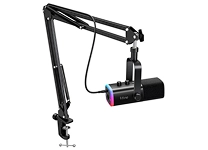
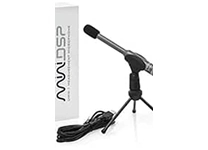
The right accessories support reliable microphone placement and cleaner recordings. A stable desk stand, floor stand, or boom arm helps position the capsule at a consistent distance, while a shock mount can reduce vibrations transmitted through a stand. Pop filters or foam windscreens help manage plosive bursts and wind noise, particularly during close vocal recording. XLR cables, USB cables, adapters, and headphone monitoring may be needed depending on the microphone and recording chain; confirm connector types and included items rather than assuming accessories are supplied. A reflection filter can limit some nearby room reflections, but it does not replace thoughtful room treatment. When exploring microphones on Ubuy, consider the complete setup alongside the microphone itself, including mounting options and connection needs. Choosing compatible accessories makes setup more practical and can help you work consistently across takes.
- Consider a stand, shock mount, and pop filter
- Check cable connectors and included accessories
- Position the microphone securely and consistently
Recording Setup, Room Acoustics, and Care
Microphone placement and room conditions have a substantial effect on recorded sound. Start with a quiet space, position the microphone to suit the source, and use headphones to monitor unwanted noise, clipping, or room reflections. Moving closer can increase direct sound and reduce the proportion of room ambience, though it may also emphasize plosives or proximity effect on directional microphones. Keep levels below clipping and adjust gain at the interface or mixer rather than relying only on software processing. Protect microphones from moisture, dust, impacts, and abrupt temperature changes; store them in a suitable case or pouch when not in use. Follow the manufacturer's care guidance, especially for delicate ribbon designs, and avoid exposing any microphone to conditions outside its stated use. A tidy cable setup and careful handling help maintain dependable studio sessions.
- Control room noise and monitor with headphones
- Set placement and gain for the sound source
- Store and handle microphones with care
Select the Right studio microphones
Narrow your options by identifying what you record most, where you record, and which equipment you already own. For a vocal booth or untreated room, consider a directional pattern and a microphone suited to your voice; for instruments, match the microphone type and placement flexibility to the source. Decide whether direct USB convenience or an XLR recording chain better fits your workflow, then check input compatibility, power requirements, mounting, and monitoring. Compare polar patterns, frequency response, self-noise, build, and included accessories, while treating specifications as practical guidance rather than a guarantee of a particular sound. Established names such as Neumann, Shure, and Audio-Technica appear across different studio microphone styles and price tiers; compare individual models rather than relying on brand alone. Ubuy offers a place to explore international product options and review their listed features before choosing.
- Start with your recording sources and room
- Confirm connection, power, and accessory needs
- Compare individual models and specifications