Studio Condenser Microphone Types and Uses
Studio condenser microphones are designed to capture detailed vocals and instruments in controlled recording spaces. Their sensitivity and broad frequency response make them common choices for home studios, project rooms, podcast production, voice-over work, and music recording. The category includes large-diaphragm models prized for vocal presence, small-diaphragm pencil microphones suited to acoustic instruments, and multi-pattern designs that adapt to different recording arrangements. Some microphones use a single capsule, while stereo pairs or matched configurations support ensemble and room capture. Brands such as Neumann, Audio-Technica, Rode, and AKG are recognized in this field, with ranges spanning different studio needs. Choosing among these formats starts with the sound source, room acoustics, recording workflow, and desired tonal character. Understanding these distinctions helps narrow a broad catalog before comparing specifications or accessories.
- Large-diaphragm and small-diaphragm formats
- Options for vocals, instruments, and room capture
- Match microphone type to the recording space
Capsules, Polar Patterns, and Frequency Response
Capsule design and polar pattern shape how a condenser microphone responds to sound. A cardioid pattern primarily captures sound from the front, helping focus on a singer or instrument while reducing some sound from behind. Omnidirectional microphones capture sound from all directions, which can suit room ambience or natural ensemble recordings. Figure-eight patterns pick up front and rear sound while rejecting the sides, making them useful for certain duet and stereo techniques. Multi-pattern microphones let users switch between these behaviors. Diaphragm size can influence sensitivity and tonal character, but neither size is automatically right for every source. Frequency response charts and sensitivity figures provide comparison points, not a complete prediction of sound. Consider the source, distance, room reflections, and desired placement when evaluating these specifications and deciding which capsule pattern fits a session.
- Cardioid, omnidirectional, and figure-eight patterns
- Switchable patterns offer recording flexibility
- Use specifications alongside listening and placement
Power, Connections, and Recording Equipment
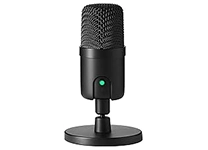
Most studio condenser microphones require phantom power, commonly supplied by an audio interface, mixing console, or dedicated preamp. Check that the chosen recording equipment provides compatible power and an appropriate microphone input before purchasing. Many studio models use a three-pin XLR connection, while some USB condenser microphones connect directly to a computer and include onboard conversion features. An XLR setup offers flexibility for pairing the microphone with separate interfaces and preamps; a USB model can simplify a compact recording workflow. Gain control, input noise, headphone monitoring, and available recording software also affect the overall setup. Cables, stands, and pop filters may be sold separately, so confirm what is included. Compatibility depends on the microphone's connector and power needs as well as the inputs, operating system, and recording workflow used in the studio.
- Check phantom power and input compatibility
- Choose XLR or USB for your workflow
- Confirm included cables and accessories
Studio Accessories and Recording Applications
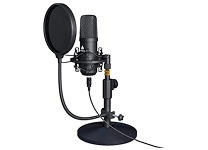
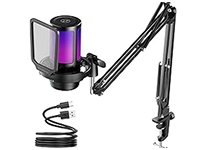
The right accessories help position a microphone consistently and manage unwanted noise during recording. A stable stand or boom arm supports accurate placement, while a shock mount can reduce vibrations transmitted through the stand. A pop filter helps soften plosive bursts in close vocal recording, and a windscreen can be useful in some situations. Headphones allow performers to monitor a take without sending playback into the microphone. Condenser microphones appear in vocal booths, podcast setups, acoustic guitar sessions, piano recording, and drum overhead arrangements; the best placement varies with the source and room. For untreated spaces, careful positioning and acoustic treatment may be more useful than choosing a microphone solely by price or sensitivity. Ubuy provides a place to discover international studio microphone options and related accessories, making it easier to compare product types for a planned recording setup.
- Consider a shock mount, stand, and pop filter
- Use headphones for monitoring
- Placement and room treatment shape recordings
Comparing Features, Care, and Studio Fit
When comparing studio condenser microphones, consider polar patterns, maximum sound pressure level, self-noise, sensitivity, frequency response, and included controls such as a pad or low-cut filter. A pad can help accommodate louder sources, while a low-cut filter may reduce some low-frequency rumble; the usefulness of each depends on the recording. Compare these details with your usual sources, interface, and room rather than treating any single specification as decisive. Condenser capsules are delicate, so store the microphone in its case when not in use and avoid moisture, dust, and accidental impact. Keep connectors clean and handle cables without pulling on the plug. Use the manufacturer's care guidance for cleaning, and avoid touching the capsule. Browsing Ubuy can help shoppers explore models and supporting gear from different product lines while evaluating which features suit their recording habits and budget.
- Compare noise, SPL, and useful onboard controls
- Store carefully and follow care guidance
- Evaluate complete setup needs, not specs alone
Select the Right studio condenser microphones
Start your selection by identifying the main recording task: close vocal work, spoken-word production, acoustic instruments, or room capture. Choose a polar pattern that suits the source and surroundings, then check microphone power, connector type, and compatibility with your interface or computer. Consider whether you need a large-diaphragm model for a versatile studio setup, a small-diaphragm option for detailed instrument capture, or a USB design for a direct computer connection. Review practical details such as stand mounting, included shock mount, pad and filter controls, and whether a pop filter or cable is needed. If your room is reflective, plan for placement and acoustic treatment as part of the purchase. Ubuy can be used to discover international products across the category; compare specifications and package contents carefully to choose a microphone that fits your recording workflow.
- Begin with the source and recording environment
- Verify power, connection, and package contents
- Choose features that support your workflow