Dog Collars, Harnesses, and Leashes for Everyday Walks
Dog collars, harnesses, and leashes work together to support identification, handling, and comfortable outings. A collar can hold an ID tag and provide a familiar attachment point, while a harness distributes leash pressure across the body. A leash gives the handler a way to guide and manage distance. These essentials suit daily walks, training sessions, travel, and outdoor activities, but the right combination depends on a dog's size, behavior, coat, and routine. Consider how each item will be used, how easily it adjusts, and whether its design supports secure control without restricting movement. Ubuy offers a way to discover international products across the category, including different styles and configurations. Comparing intended use and construction can help narrow options before choosing a set or selecting each piece separately.
- Collars support identification and everyday handling
- Harnesses distribute pressure across the body
- Leashes help guide and manage distance
Collar Styles, Closures, and Everyday Features
Flat collars are a common choice for holding identification tags and attaching a leash for dogs that walk comfortably without pulling. Adjustable versions use a buckle or quick-release clasp to accommodate fit changes, while martingale collars tighten gently to a limited point when tension is applied; they are often considered for dogs whose heads are narrower than their necks. Specialty options include reflective collars for visibility and padded designs intended to reduce rubbing. Check the collar's width, adjustment range, stitching, and hardware, as well as whether its closure is easy to secure. A properly fitted collar should stay in place without pinching or slipping over the dog's head. For dogs that pull or need different pressure distribution, a harness may be a more suitable walking attachment than a collar alone.
- Flat and adjustable collars suit many routines
- Martingale designs limit tightening
- Check closure, width, and fit
Harness Types for Walking and Training
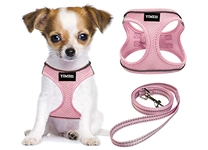
Harness designs include back-clip, front-clip, dual-clip, step-in, and vest styles. A back-clip harness can suit relaxed walks, while a front attachment may give the handler another point of control during training. Dual-clip models offer flexibility, and step-in or vest designs can be easier to put on some dogs. Look for adjustable straps, secure buckles, reinforced leash rings, and a shape that leaves the shoulders free to move. Padding and breathable mesh may be useful for longer outings or sensitive skin, while a handle can help with close guidance over obstacles. Fit matters more than appearance: the harness should sit securely without chafing behind the legs or pressing on the throat. Ubuy can help shoppers explore international harness styles, including products from familiar brands such as Ruffwear and Kurgo.
- Choose clip placement for handling needs
- Adjustable straps help refine fit
- Allow shoulder movement and check for rubbing
Leash Lengths, Materials, and Functional Designs
Standard walking leashes commonly measure a few feet and provide close control in busy settings. Longer training lines allow more distance for recall practice in appropriate open spaces, while traffic handles offer a short grip near a dog's collar or harness. Retractable leashes extend and retract on a spool, but their use requires attention to the surroundings and careful handling. Nylon is lightweight and available in varied colors; leather offers a traditional feel and needs appropriate care; rope leashes can provide a comfortable grip. Reflective stitching, padded handles, swivel clips, and double-ended connectors add practical functions. Match leash width and clip strength to the dog's size and pulling behavior, and inspect seams and hardware regularly. Ubuy provides a place to discover international leash options and compare features for different walking routines.
- Standard, long-line, and traffic leash styles
- Compare materials and handle comfort
- Inspect clips, stitching, and wear
Fit, Materials, Safety, and Care
Measure the dog before selecting a collar or harness, following the product's sizing guide and checking the neck, chest, or girth as required. A collar should be snug enough to stay secure while allowing comfortable movement; a harness should not slide, restrict the shoulders, or rub under the legs. Recheck fit as a puppy grows or a dog's weight changes. Choose durable stitching and hardware suited to the dog's strength, and consider water-resistant or quick-drying materials for frequent outdoor use. Keep identification tags attached where appropriate, and use reflective details when improved visibility is useful. Clean products according to their care instructions, let damp gear dry fully, and replace items with damaged webbing, loose stitching, or unreliable clasps. Introduce new equipment gradually and observe how the dog responds during use.
- Measure and follow sizing guidance
- Check movement, rubbing, and secure closures
- Clean, dry, and inspect gear regularly
Select the Right dog collars harnesses leashes
Start with the dog's walking habits, body shape, and level of leash training. A calm walker may need a well-fitted flat collar and standard leash, while a dog that pulls may benefit from a suitable harness and training-focused setup. For escape-prone dogs, consider secure adjustment and a design that fits the body correctly; never rely on product style alone as a substitute for supervision. Compare weight, adjustability, attachment points, weather suitability, and ease of putting gear on and taking it off. Make sure clips connect securely and that the leash length suits the setting. If choosing coordinated pieces, confirm that the hardware and intended use work together. Ubuy can be used to explore international products and compare available designs. The best choice is comfortable, durable, appropriately sized, and suited to the dog's everyday needs.
- Match gear to behavior and routine
- Prioritize fit, control, and comfort
- Check compatibility before buying