Baseball Knee Pads for Practice and Game-Day Protection
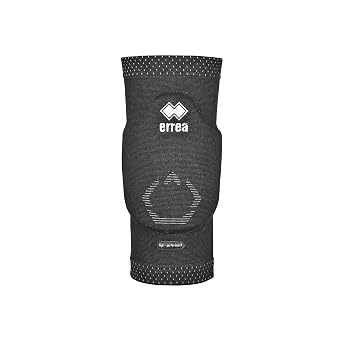
Baseball knee pads add cushioning and a protective layer between the knee and hard or abrasive surfaces encountered during practice and games. They are especially useful for catchers who repeatedly drop into a blocking stance, but can also suit players working on drills that involve sliding, kneeling, or fielding low balls. Depending on the design, pads may sit beneath baseball pants, attach around the knee, or integrate into catcher gear. A low-profile sleeve can preserve mobility under a uniform, while a more substantial shell can provide broader coverage for repeated contact. Knee pads complement, rather than replace, properly fitted catcher leg guards and other protective equipment. Consider where and how you play before choosing, since coverage, flexibility, and ease of movement matter as much as padding.
- Cushioning for kneeling and blocking drills
- Options for catchers and field players
- Choose coverage to match your play
Types, Cuts, and Coverage Options
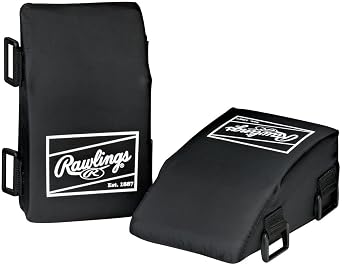
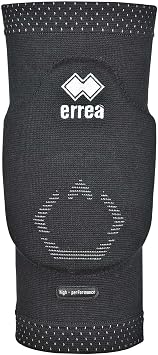
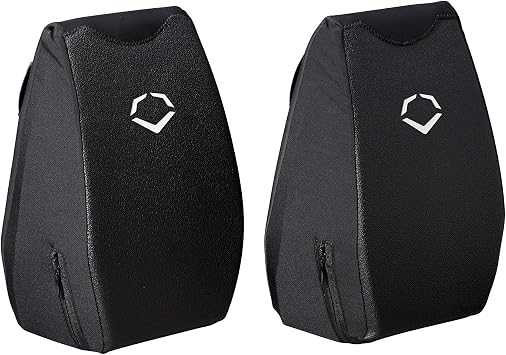
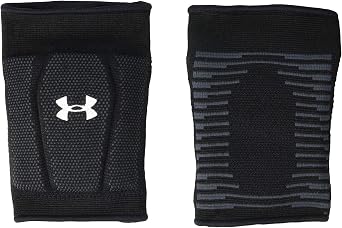
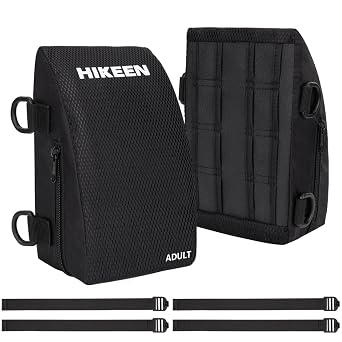
Baseball knee protection comes in several forms, each suited to different movement and coverage preferences. Pull-on compression sleeves with built-in padding stay close to the leg and can fit beneath baseball pants. Strapped pads are easier to adjust or remove between activities, while designs with a reinforced outer panel can suit players who make frequent contact with the ground. Catcher knee savers are a related but distinct accessory: they attach to leg guards and support the area behind the knee when crouching, rather than functioning as standalone knee pads. Check product descriptions and fit diagrams to distinguish these options. Comparing gear from recognized baseball names such as Rawlings, Mizuno, EvoShield, and Nike can help you explore different design approaches. Ubuy offers a platform for discovering international products in this category.
- Sleeves, strapped pads, and reinforced designs
- Knee savers differ from standalone pads
- Compare construction and coverage
Fit, Mobility, and Important Design Features
A secure fit helps baseball knee pads stay in place without restricting a stride, squat, or throwing motion. Measure around the knee or follow the manufacturer's sizing chart, and consider whether the pad will be worn over a base layer or directly against the skin. Sleeves should feel supportive without pinching, sliding, or creating uncomfortable pressure behind the knee. Look for articulated shaping or flexible panels if you need to bend deeply for catching or fielding. The position of the padding matters too: front coverage can cushion direct contact, while extended side panels may offer additional coverage when moving laterally. Closures, elastic grippers, and adjustable straps affect stability and ease of use. If possible, test the fit in a baseball stance and walking motion before relying on the pads for a full practice.
- Check sizing and intended wearing position
- Prioritize stable fit and free movement
- Consider front and side coverage
Materials, Padding, and Construction
The feel and performance of baseball knee pads depend on both the padding and the materials around it. Foam cushioning is commonly used to absorb impact and soften contact, while denser inserts or protective outer panels may add structure. Stretch fabrics help sleeves follow the leg, and breathable mesh or moisture-managing textiles can make extended wear more comfortable. Reinforced stitching and durable seams are worth checking when pads will be used often or washed regularly. Some designs use removable inserts, which can simplify cleaning or let players adjust the feel, but confirm how the components fit back together. Balance cushioning with bulk: thick padding may suit repeated kneeling, whereas a slimmer profile may work better beneath uniform pants. Ubuy can be used to discover international product options and compare listed construction details before choosing.
- Compare foam, fabric, and outer panels
- Look for breathable, flexible construction
- Check whether inserts are removable
Baseball Gear Compatibility and Care
Before buying, check that knee pads work with the rest of your uniform and protective equipment. Measure them under or over baseball pants as intended, and make sure they do not interfere with catcher leg guards, shin protection, or knee savers. A bulky pad can change how a catcher settles into a crouch, so test the combined setup through blocking and movement drills. For field players, consider how the pad fits with sliding pants or compression layers. Care instructions vary by fabric and padding: some sleeves can be machine washed, while pads with rigid parts or removable inserts may require separate cleaning. Air-dry gear fully before storing it, and inspect seams, elastic, closures, and cushioning for wear. Replace or repair items when damage affects fit or coverage, following the manufacturer's care guidance.
- Check fit alongside catcher and uniform gear
- Follow product-specific washing instructions
- Inspect padding, seams, and closures
Select the Right baseball knee pads
Start with your position, playing routine, and preferred fit when comparing baseball knee pads. Catchers who spend long periods crouching may value stable coverage and compatibility with leg guards, while players practicing slides or low fielding drills may prefer a flexible sleeve that is easy to move in. Compare size guidance, padding placement, thickness, closures, breathability, and care requirements rather than choosing by appearance alone. Think about whether you need pads beneath uniform pants, over a base layer, or as part of a larger protective setup. Recognized brands such as Rawlings, Mizuno, EvoShield, and Nike provide useful reference points when comparing product specifications, but assess each item on its stated features and fit. Ubuy helps shoppers discover international products; review listings carefully to confirm the design suits your sport, equipment, and routine.
- Match coverage to position and drills
- Confirm fit with your full gear setup
- Compare specifications before purchasing